Old Shafts and Adits at Castle Dome · November 17
· by Frank Schlichting
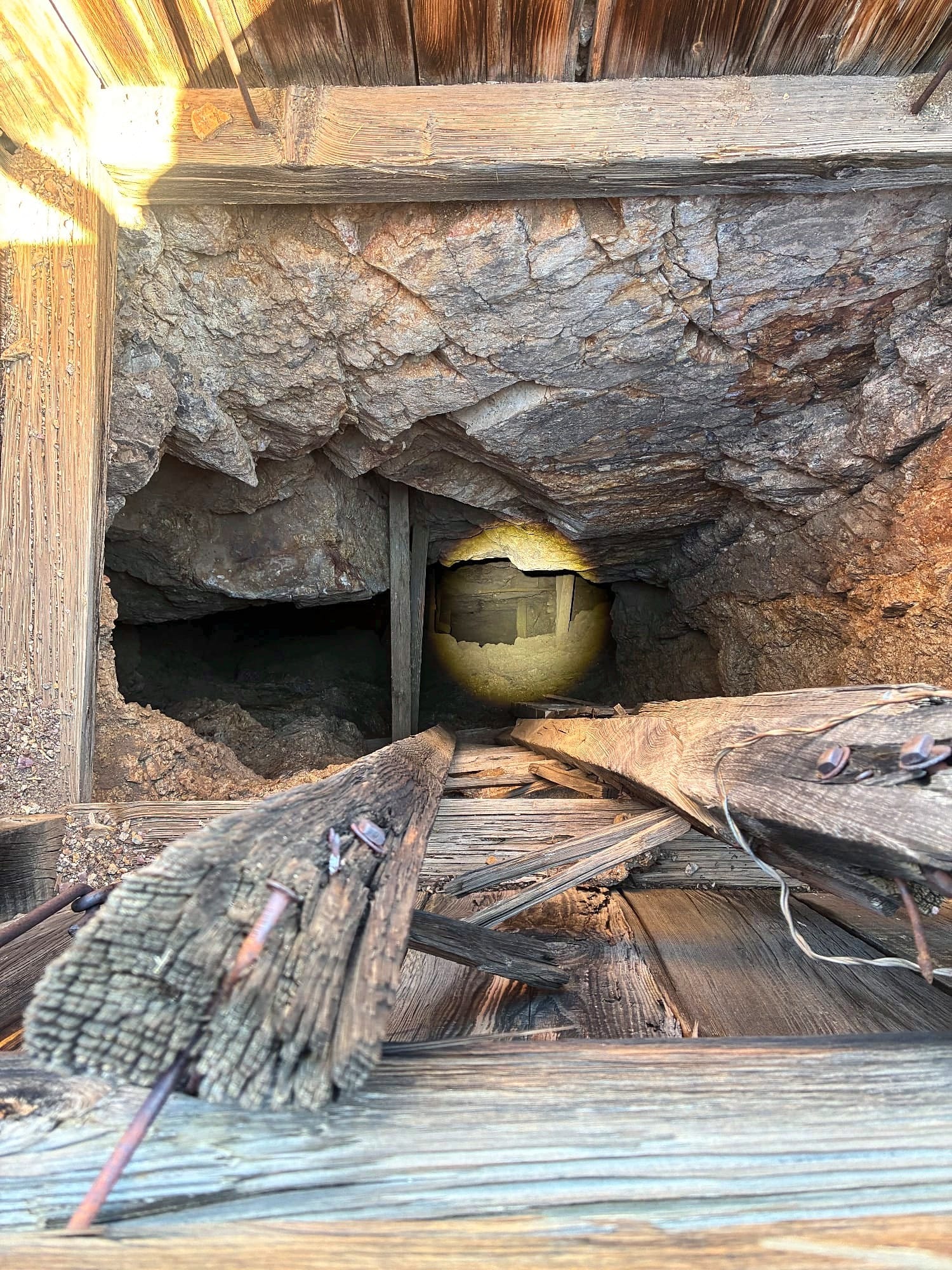
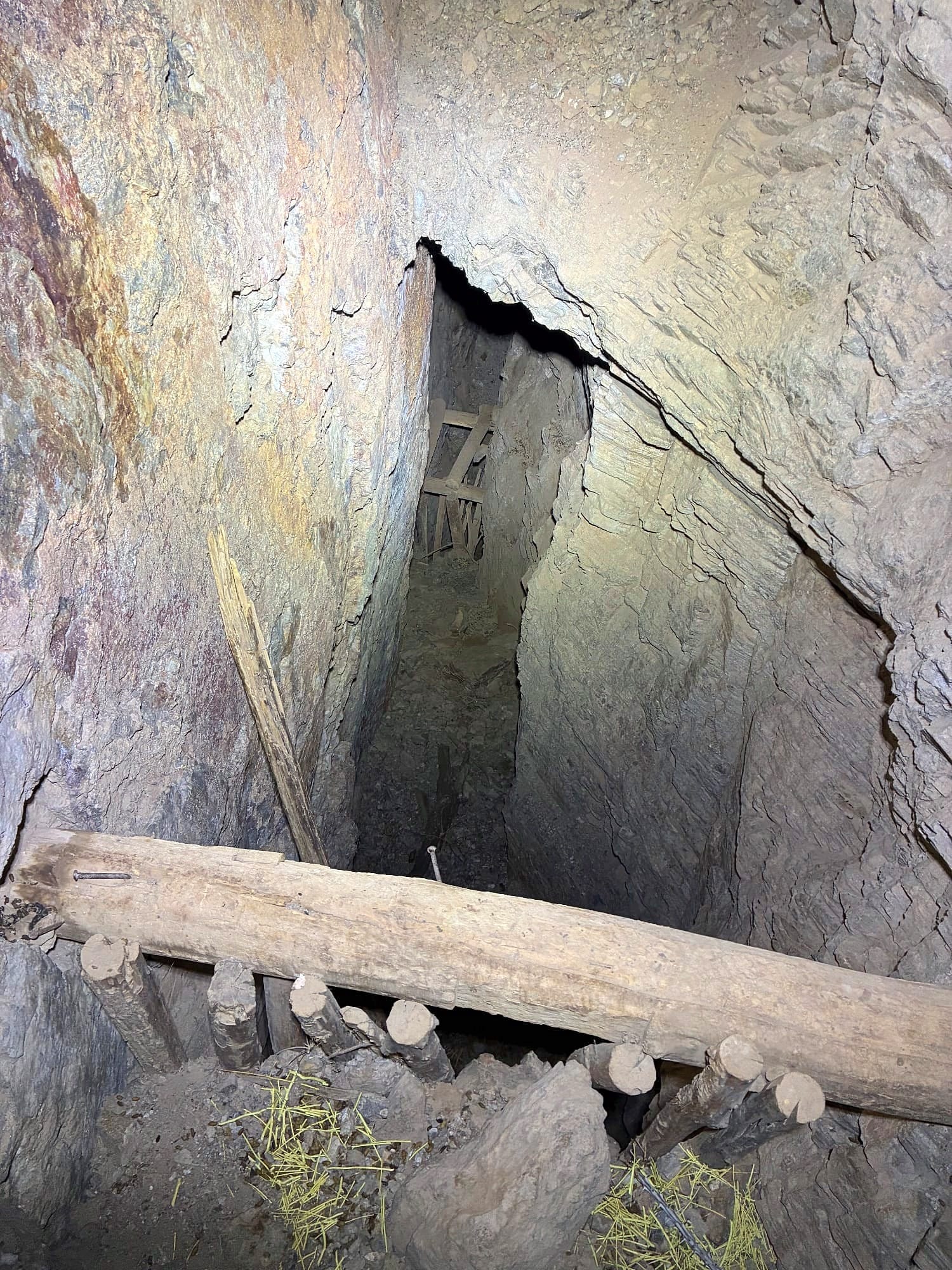
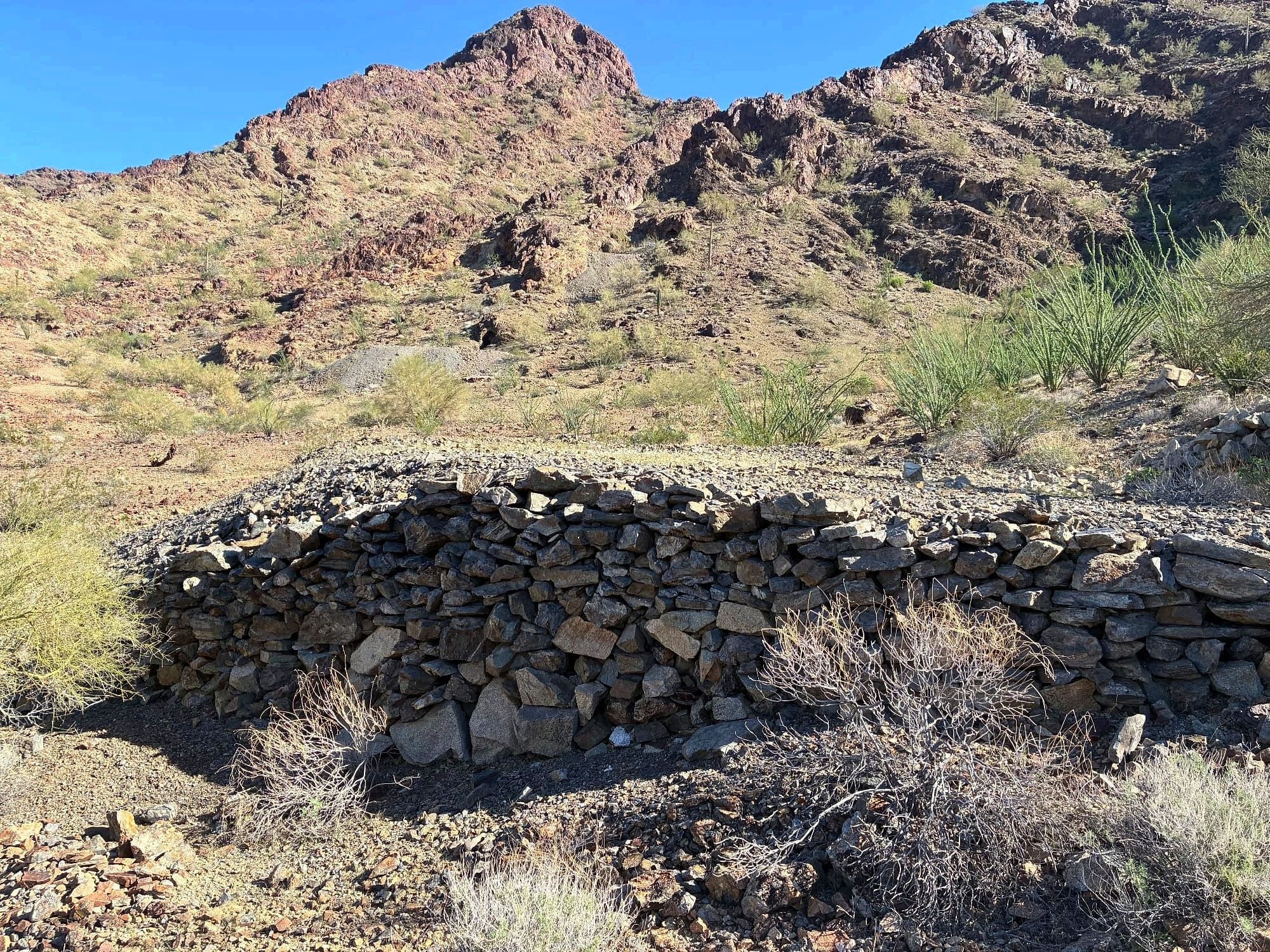
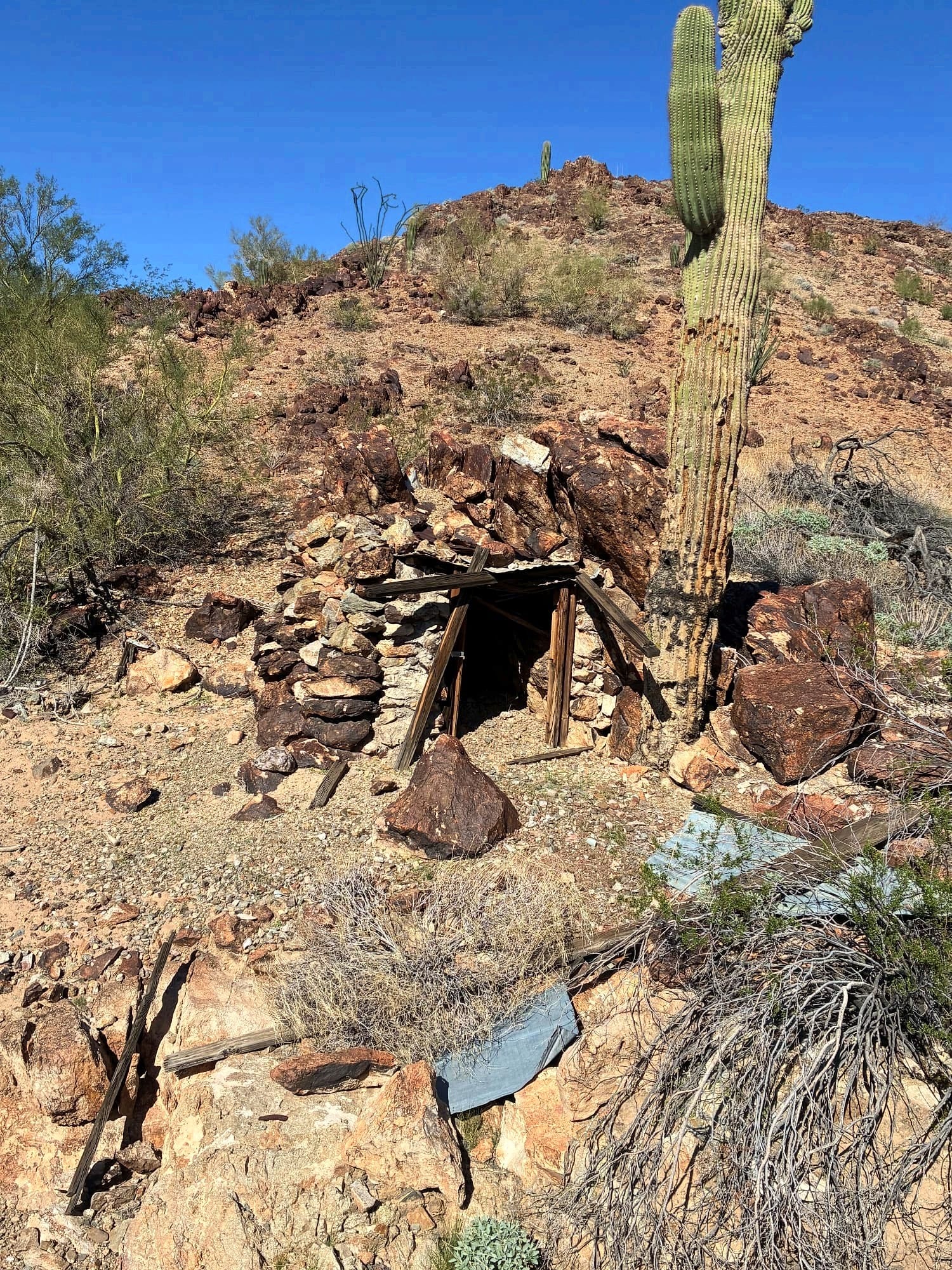
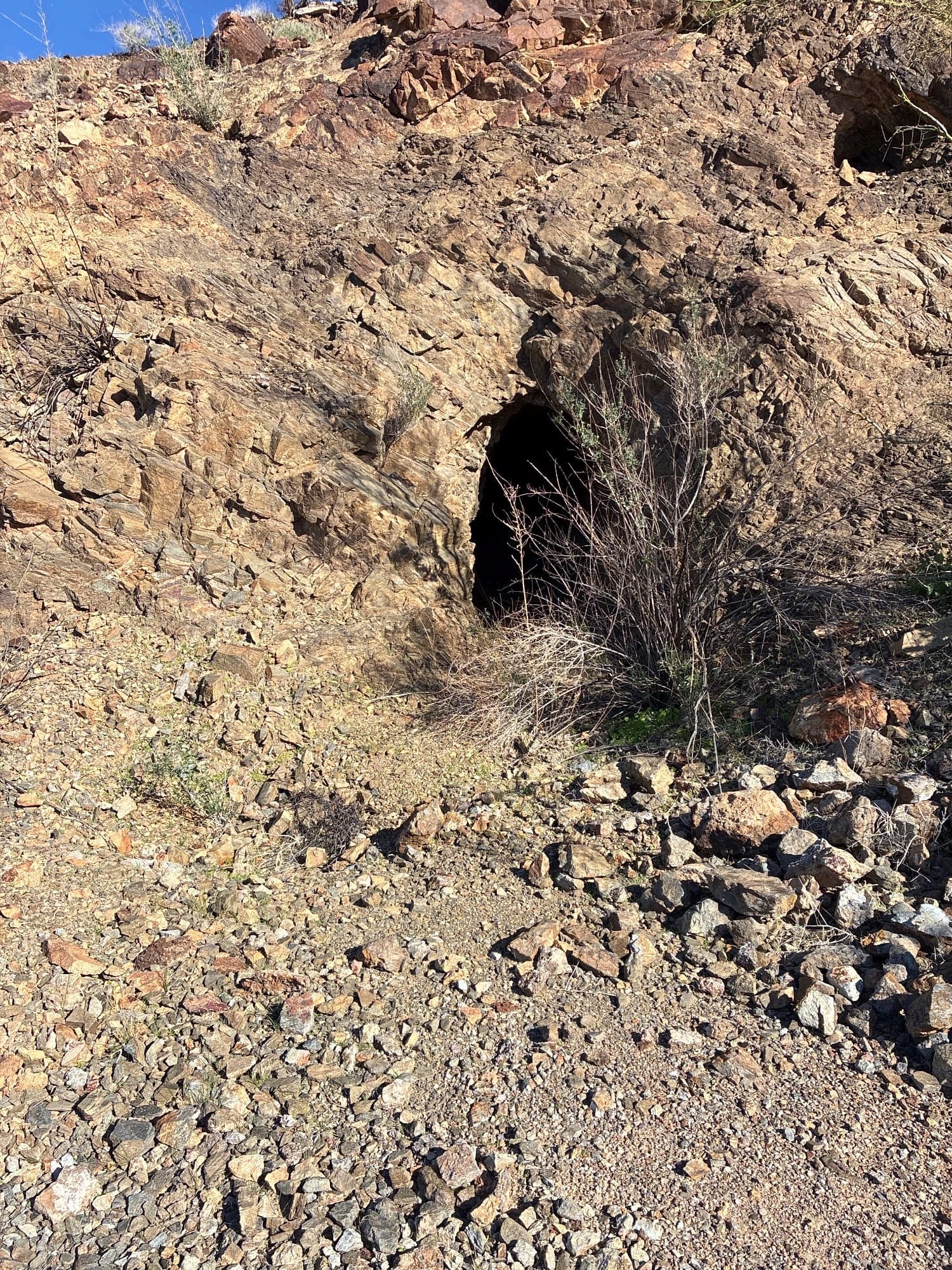
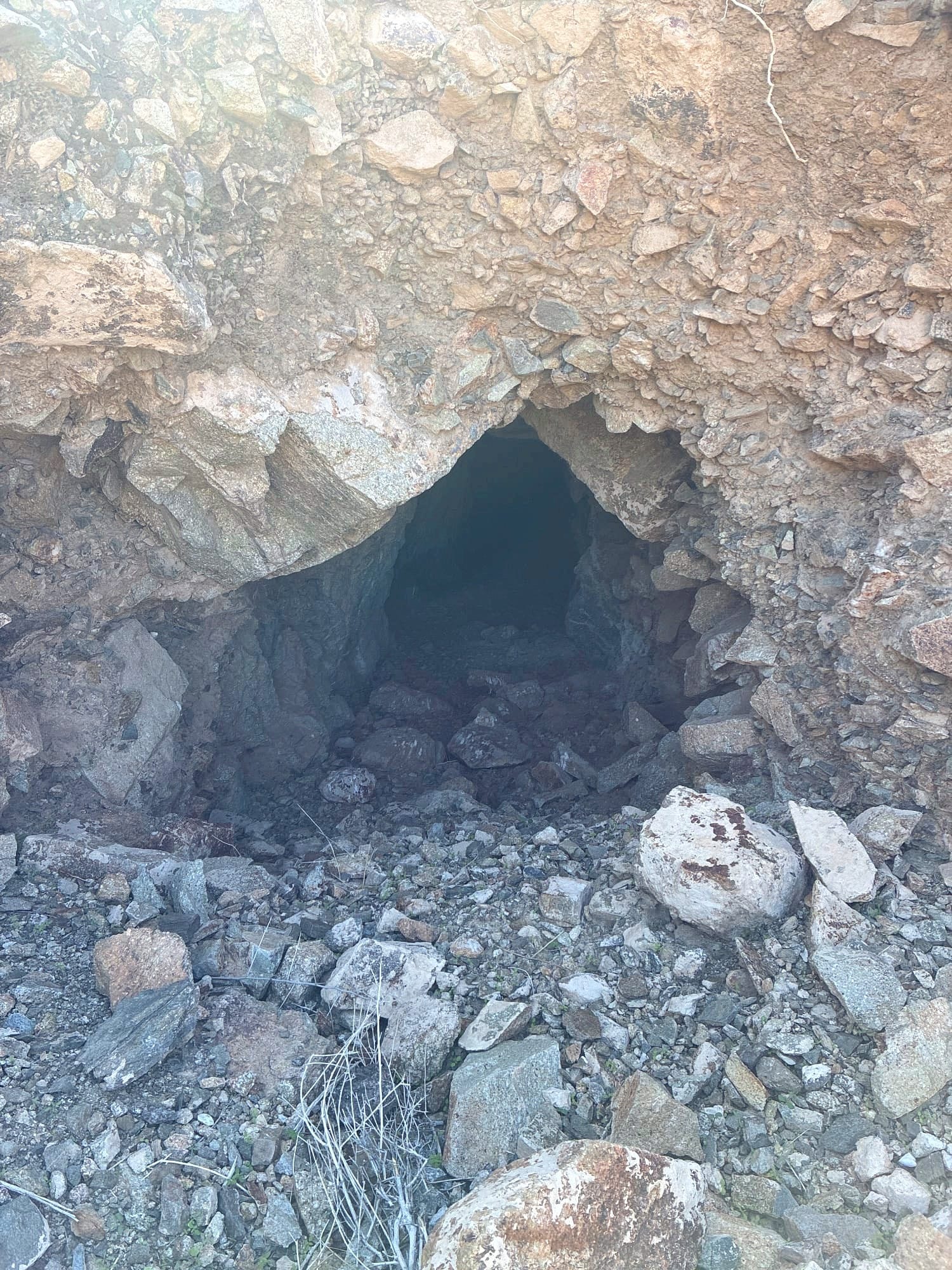
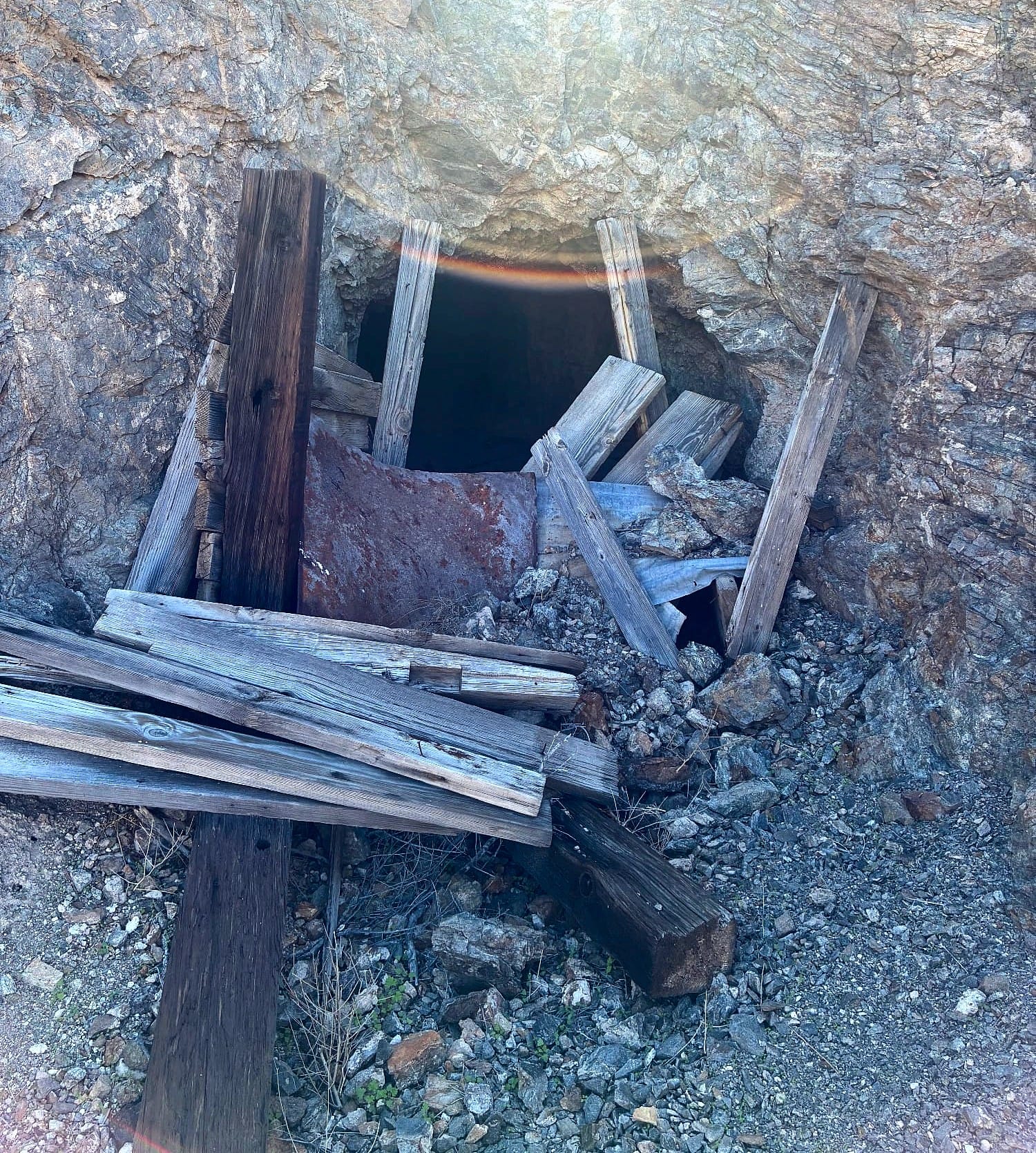
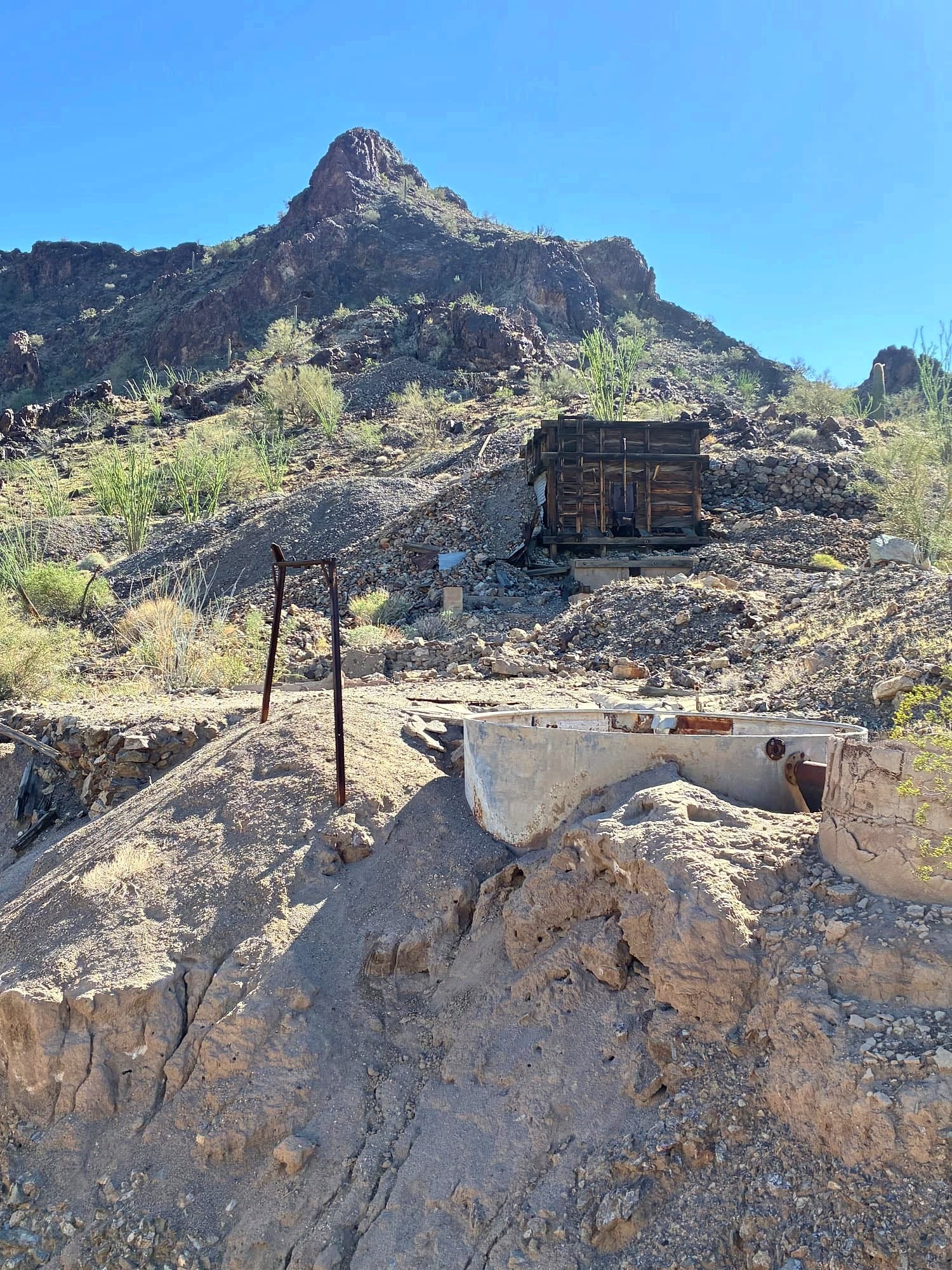
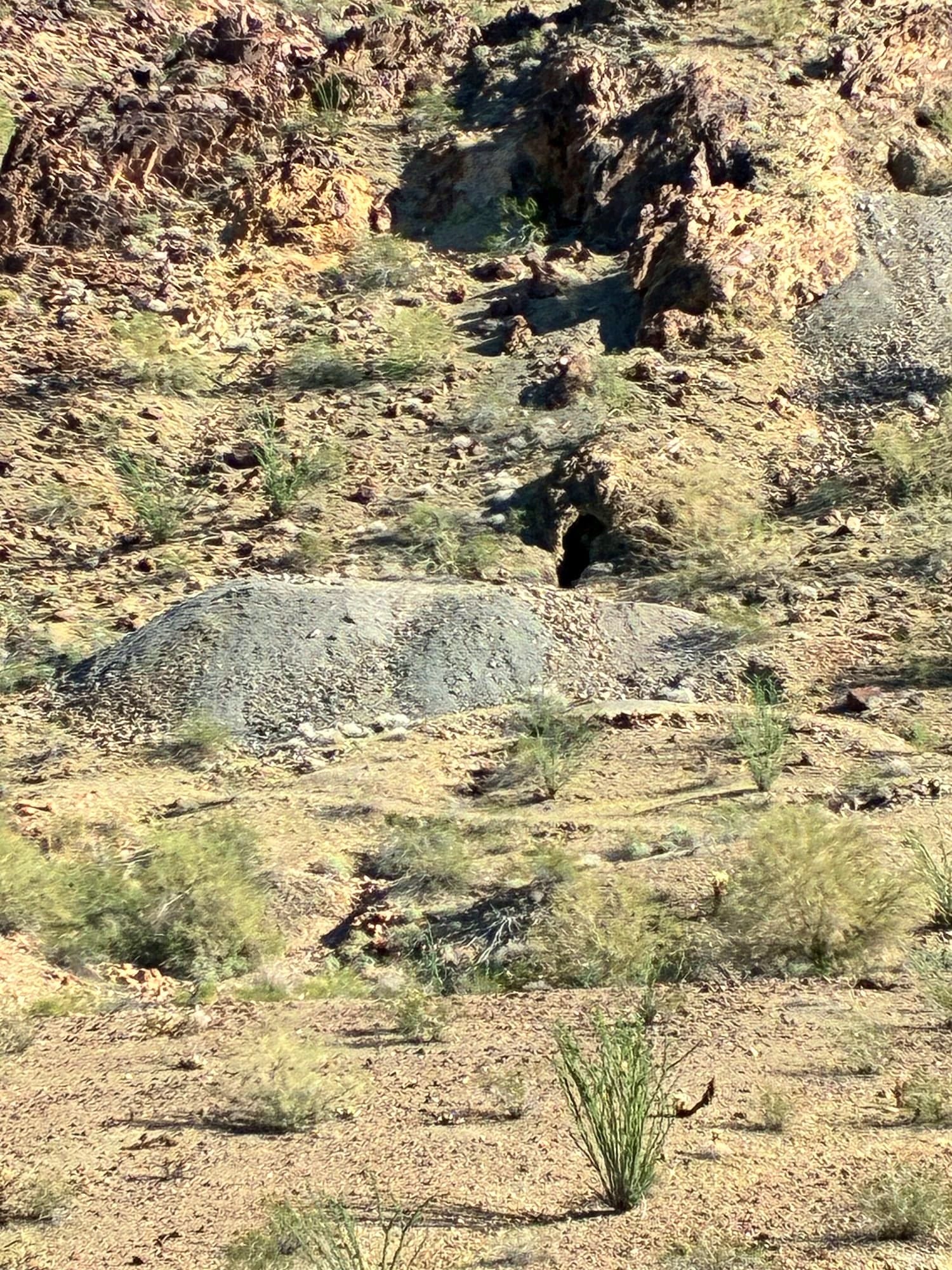
Centuries of Desert Mining History Around the Castle Dome
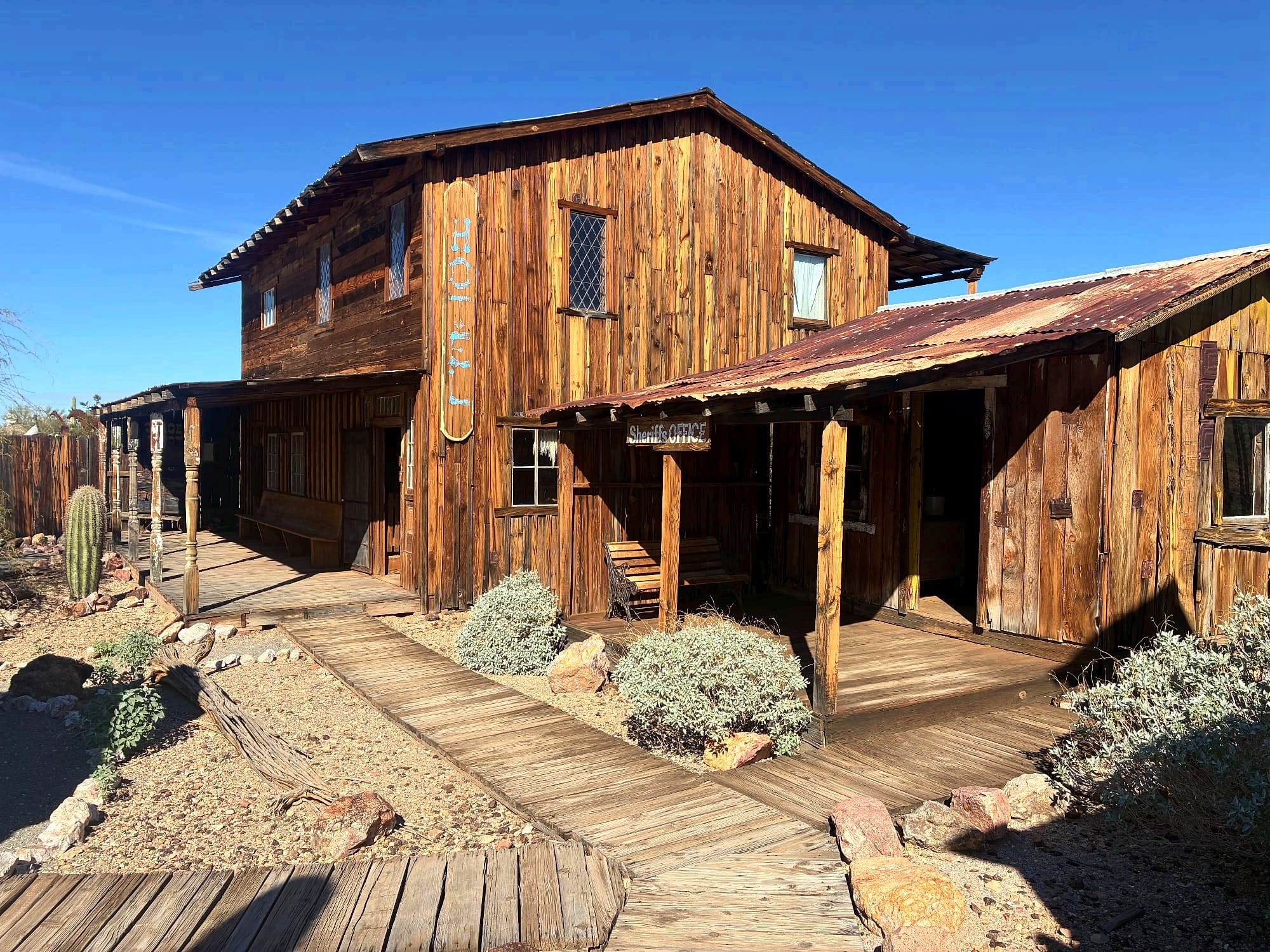
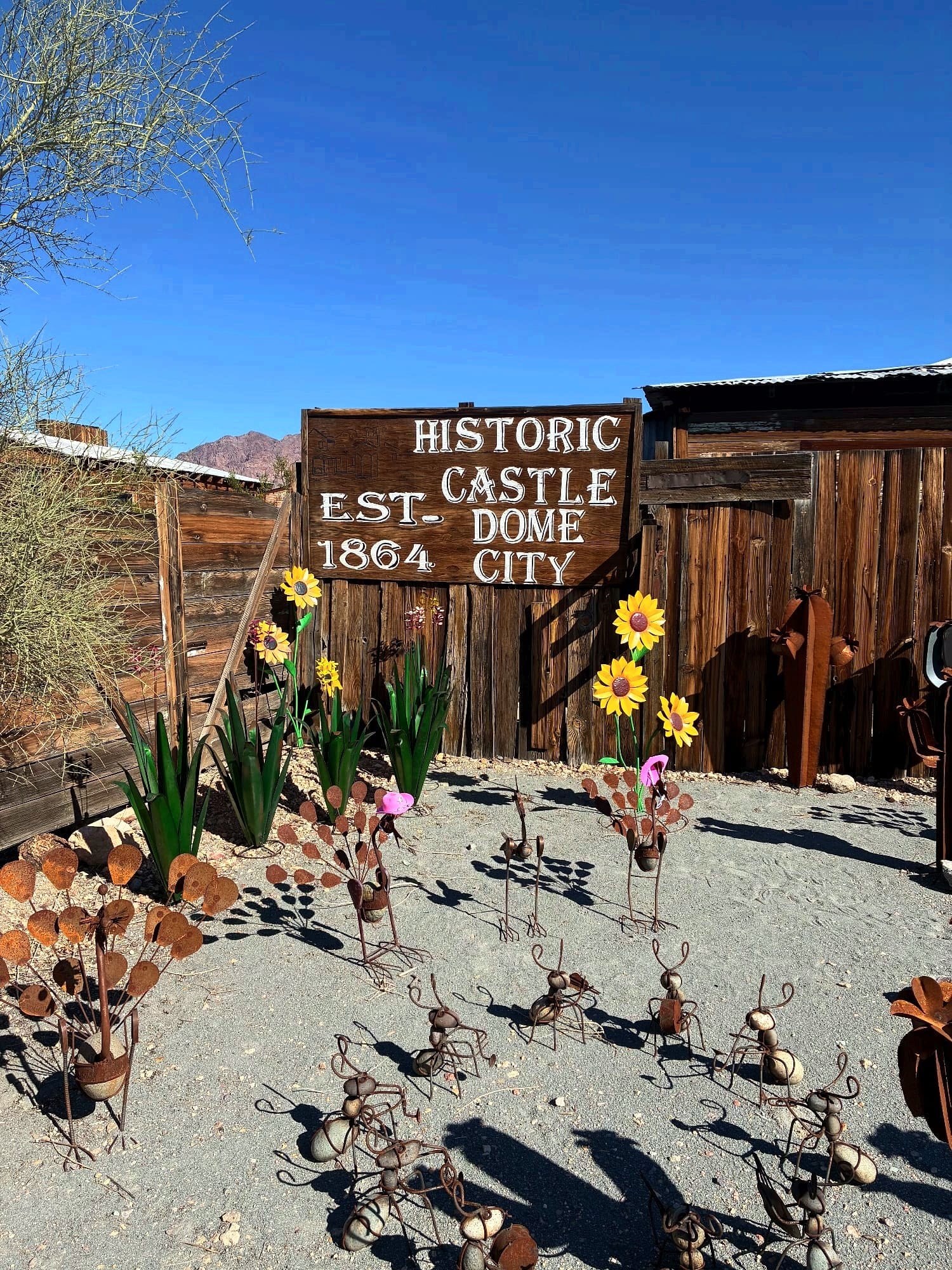
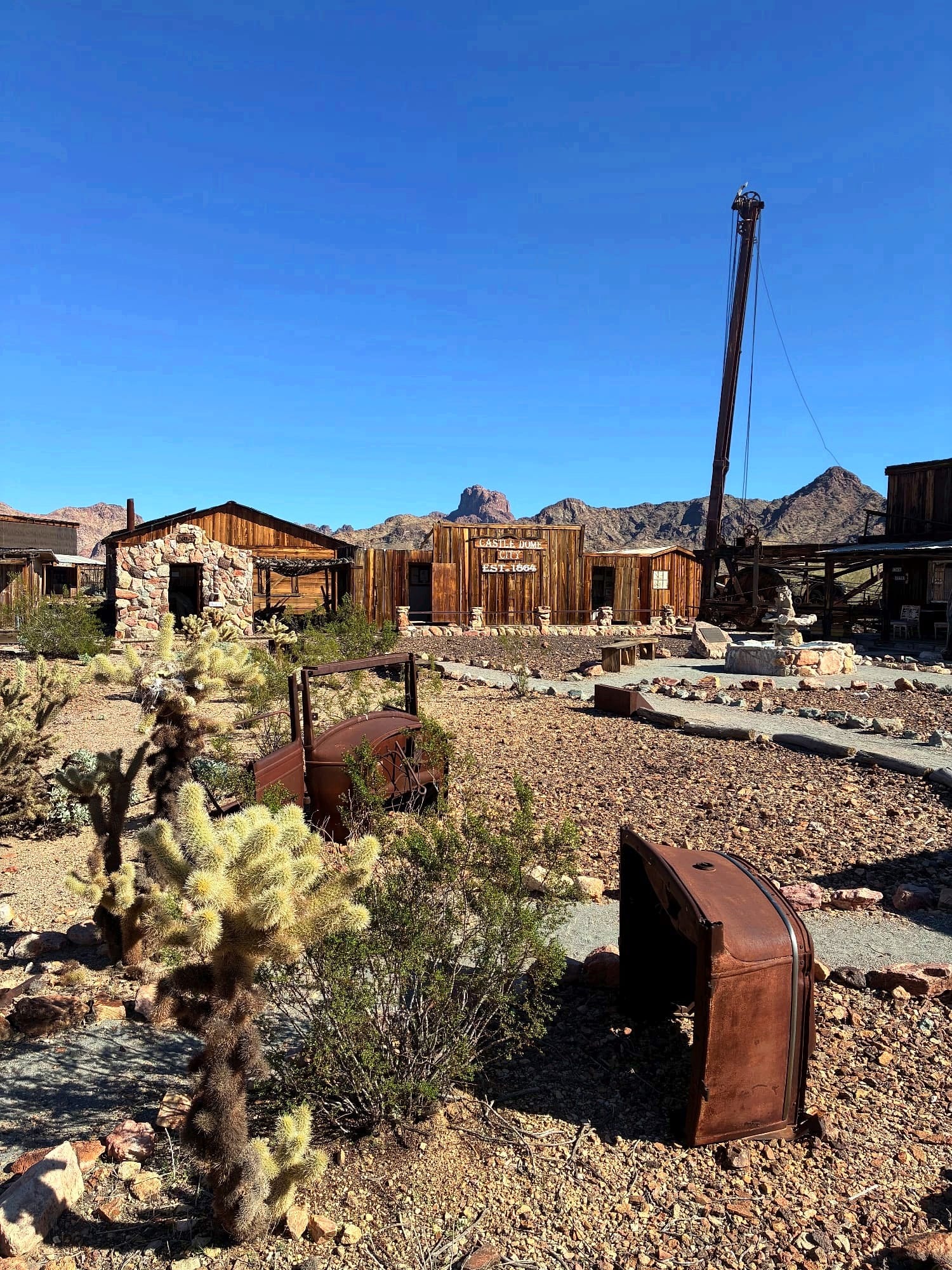
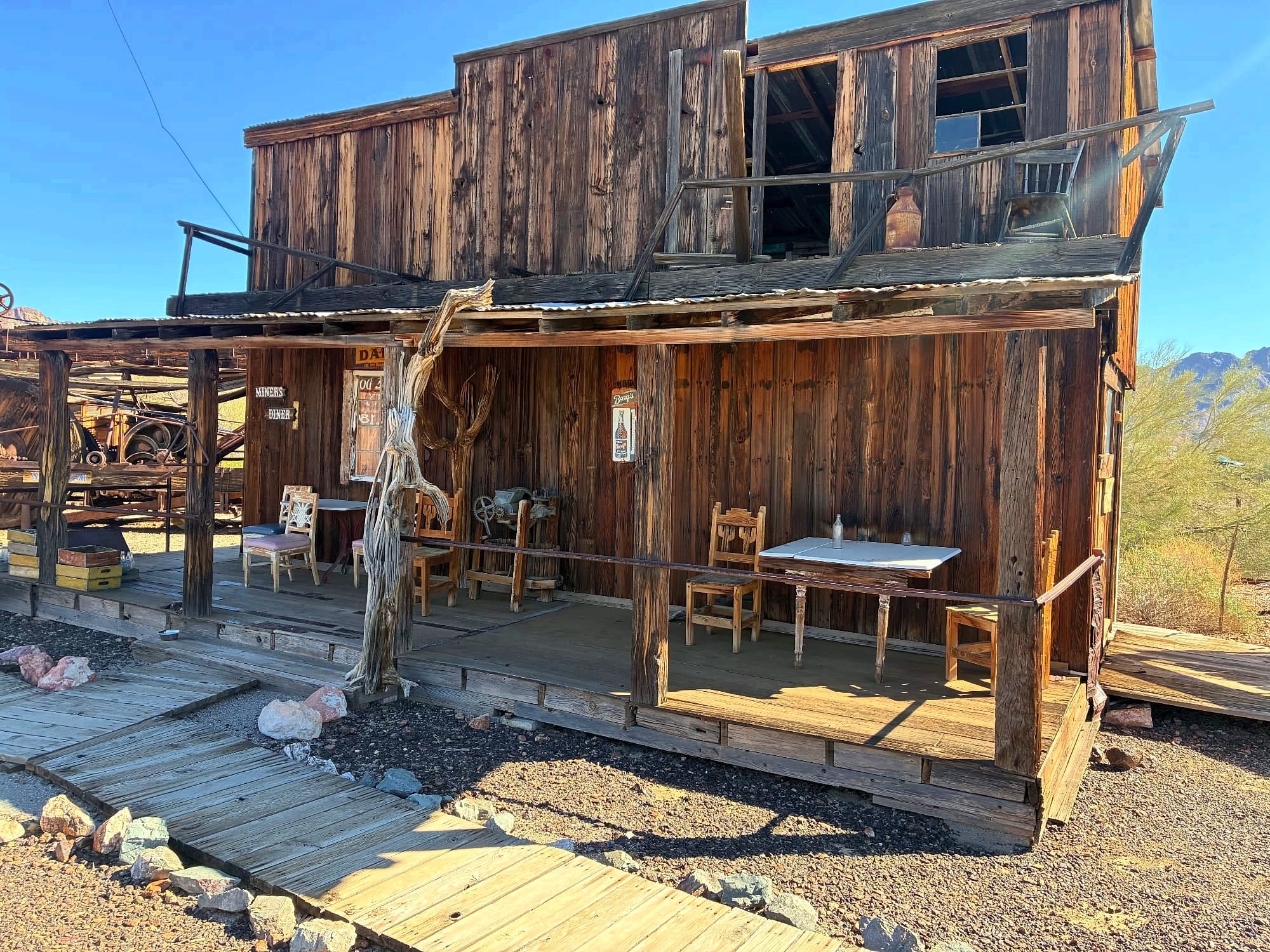
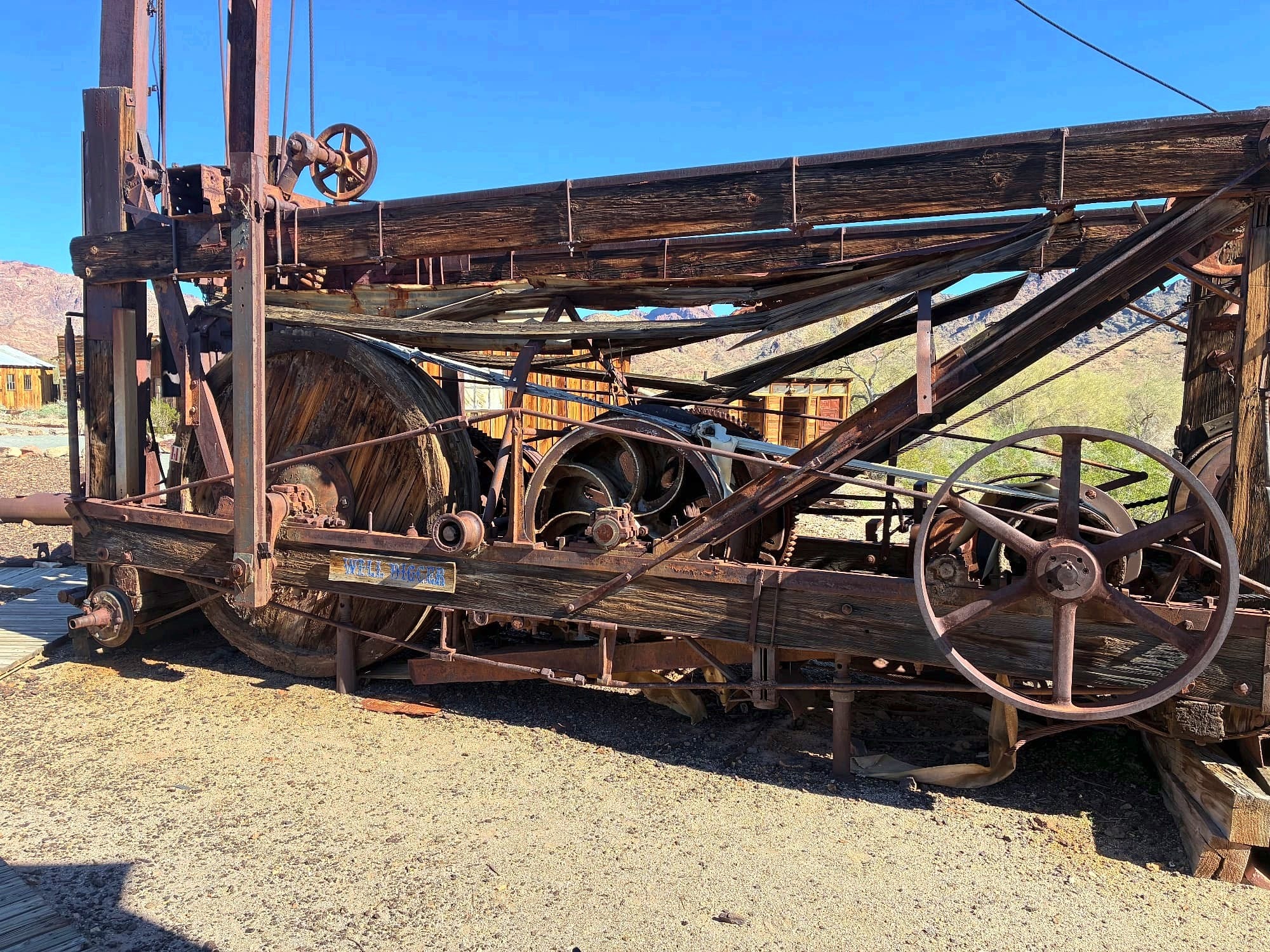
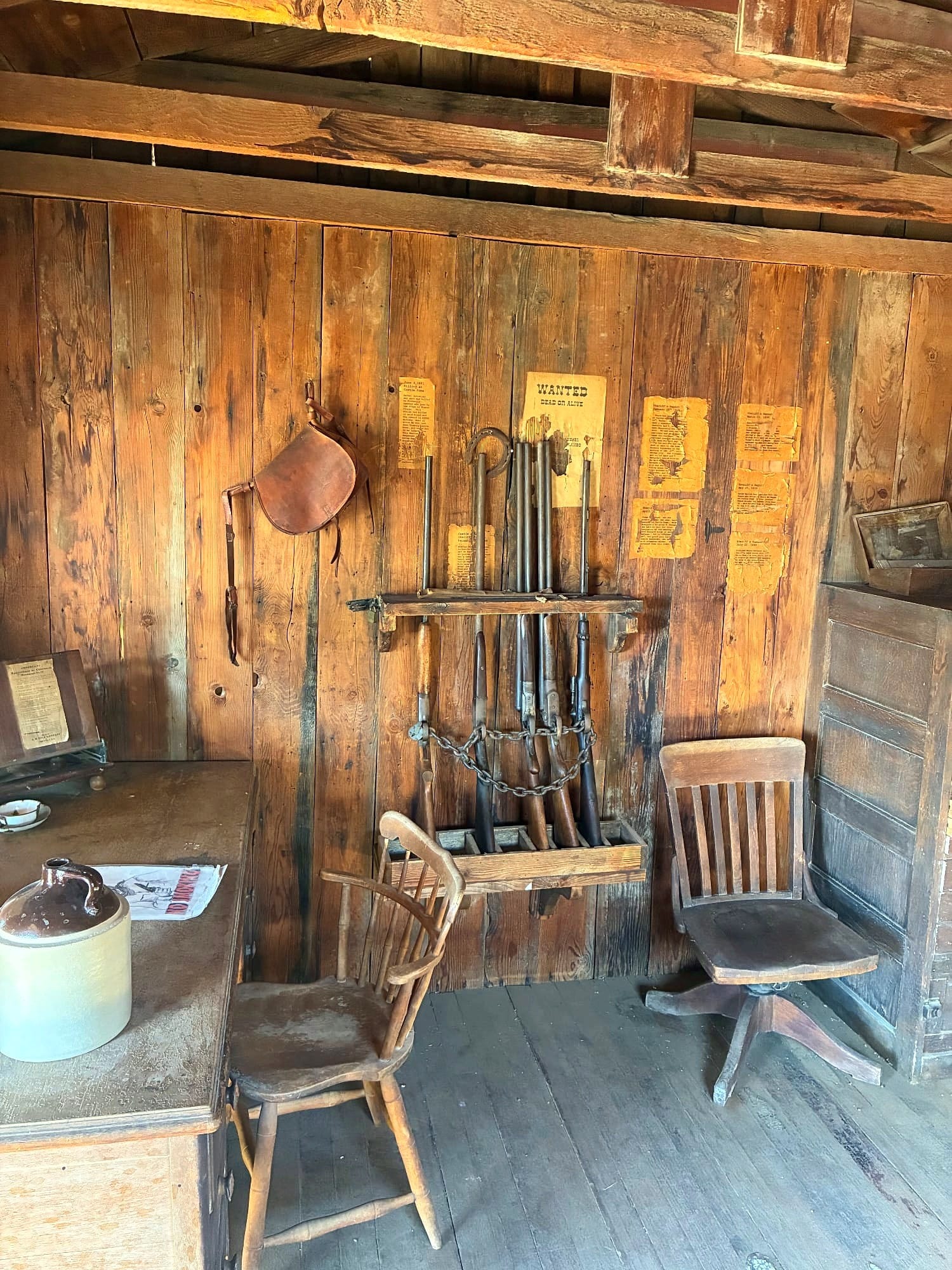
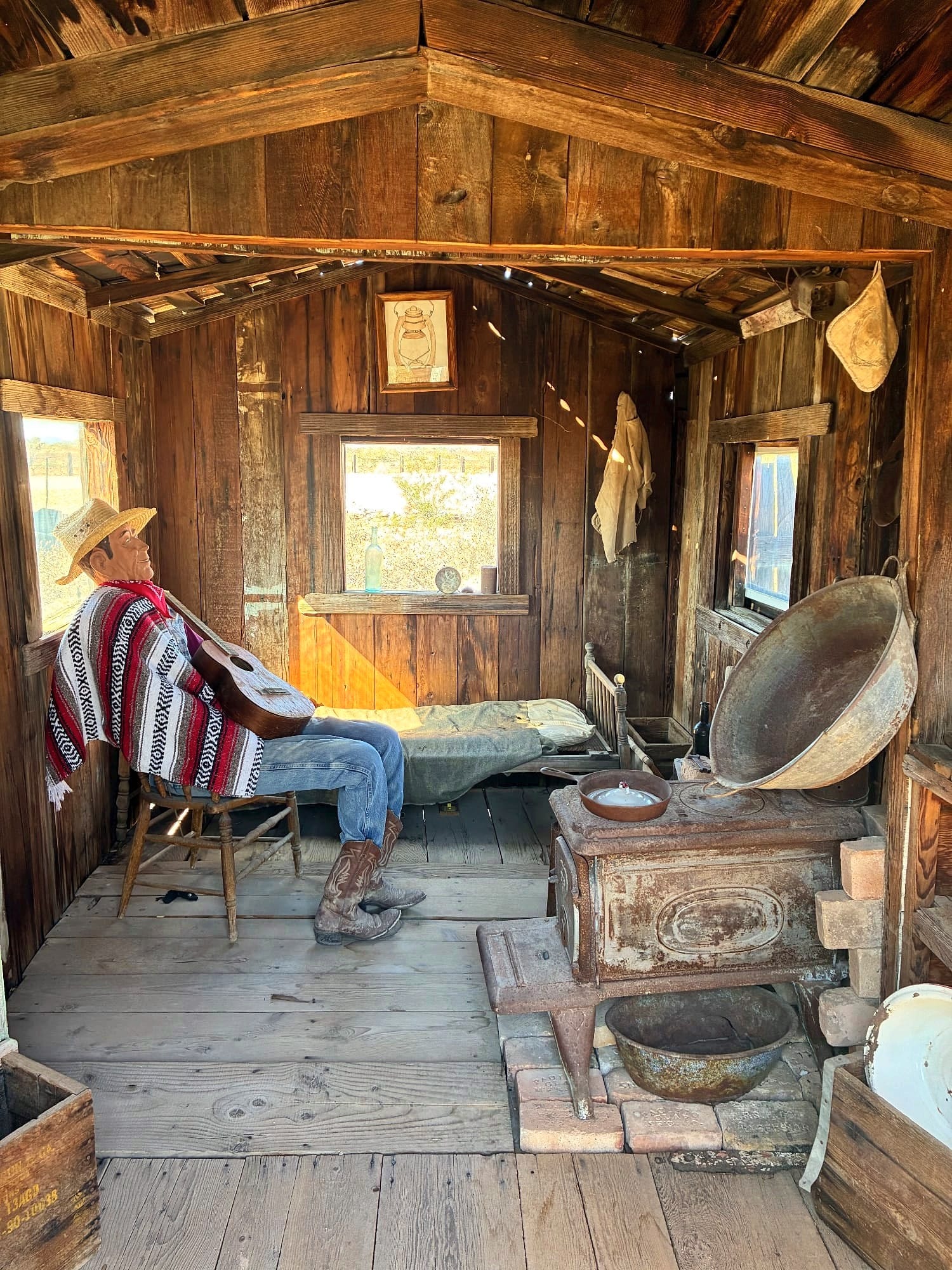
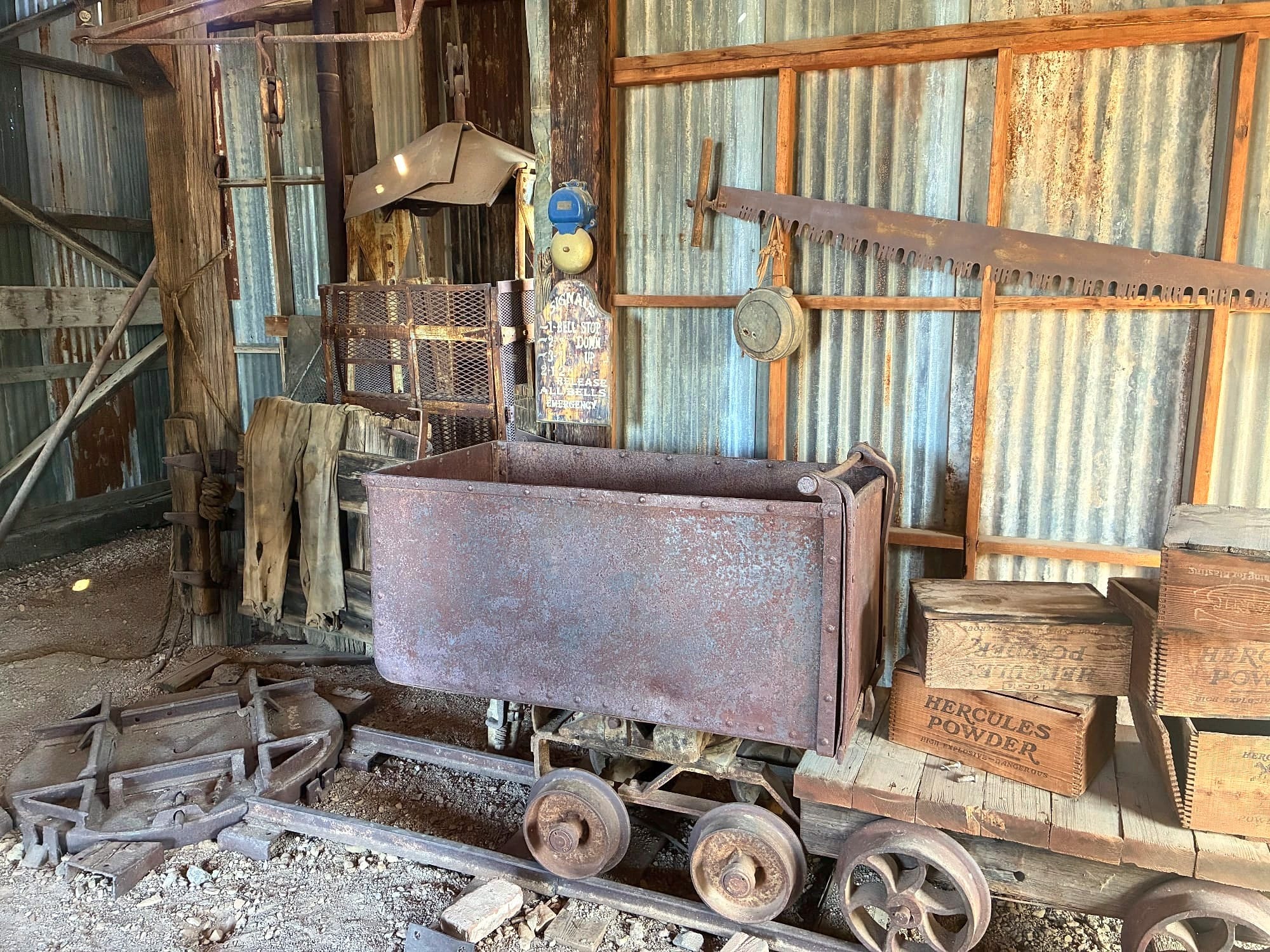
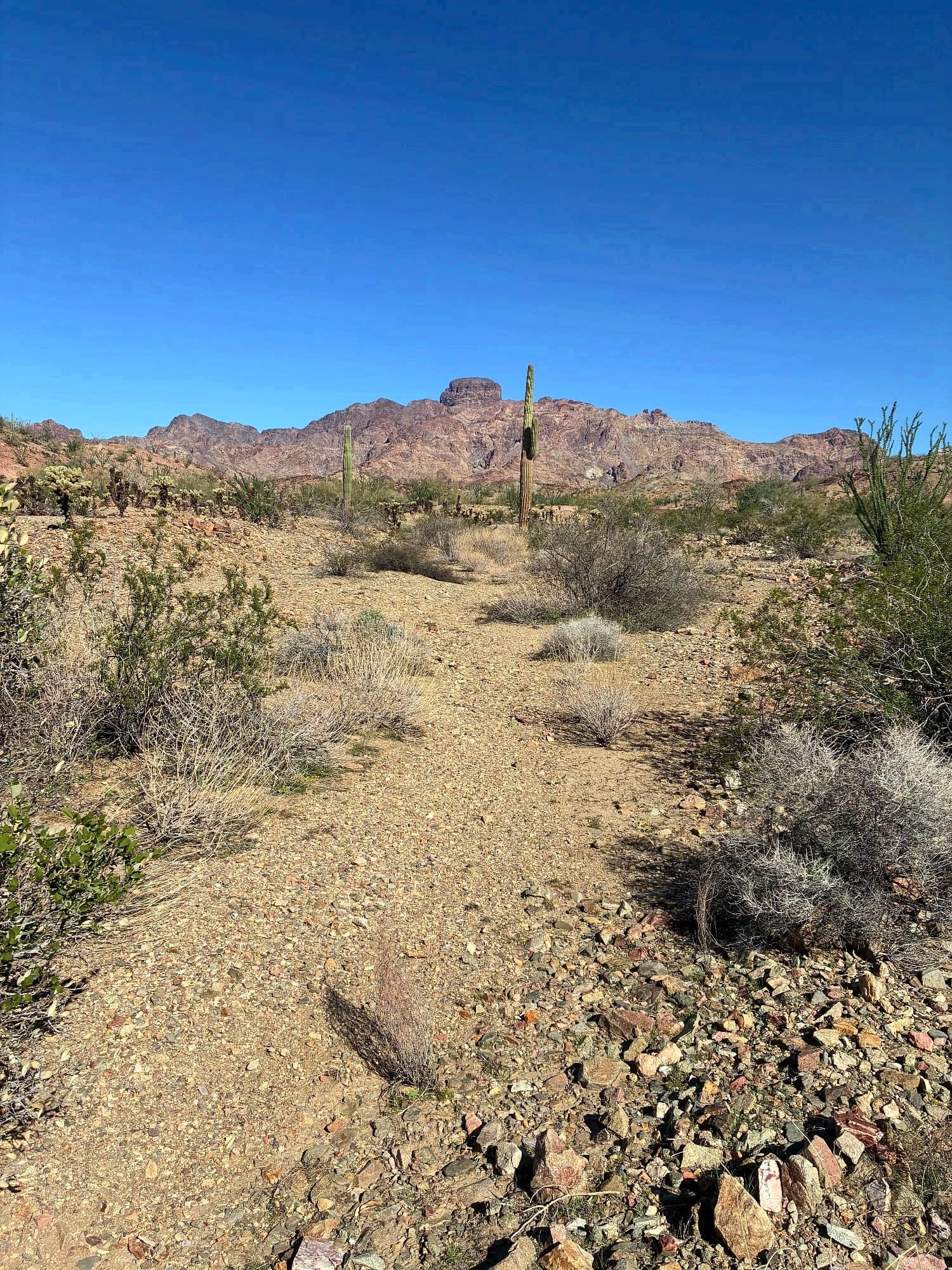
There is an incredible amount of history packed into these mountains. American silver and lead mining began here in 1864, and at its peak, Castle Dome City was a busy boomtown of about 3,000 people in the middle of the desert. The history here is just spectacular, and getting out into the desert, hiking, and seeing all these remnants firsthand is a real treat. We’re going to be in the area for quite a while exploring what’s left around Castle Dome.
The old Castle Dome mine sits right near the heart of the district, surrounded by dozens of other workings. The Flora Temple Mine here is actually one of the oldest patented mines in Arizona, patented back in 1871—and the Castle Dome Mine itself followed in 1876.
Even so, mining in this region goes back way before the 1860s. As we hike around all these old diggings, it’s wild to think that some of the earliest work in southern Arizona stretches all the way back to the Spanish colonial era. Long before Arizona was a state, Spanish colonizers came through, forced Indigenous people into labor in the silver mines, and shipped the wealth back to Spain—much like they did across Mexico and Central America.
Preserving History vs. Closing Shafts
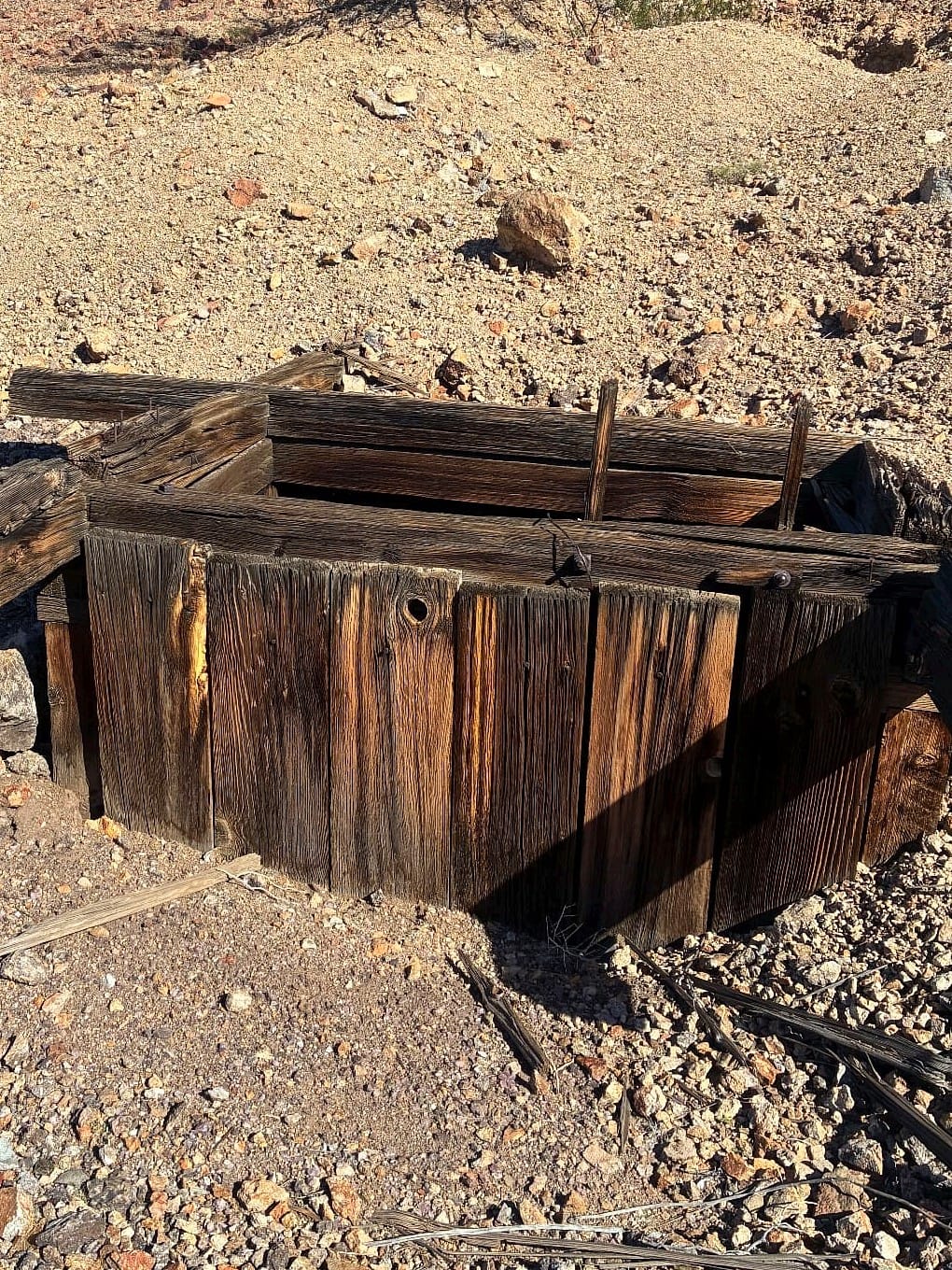
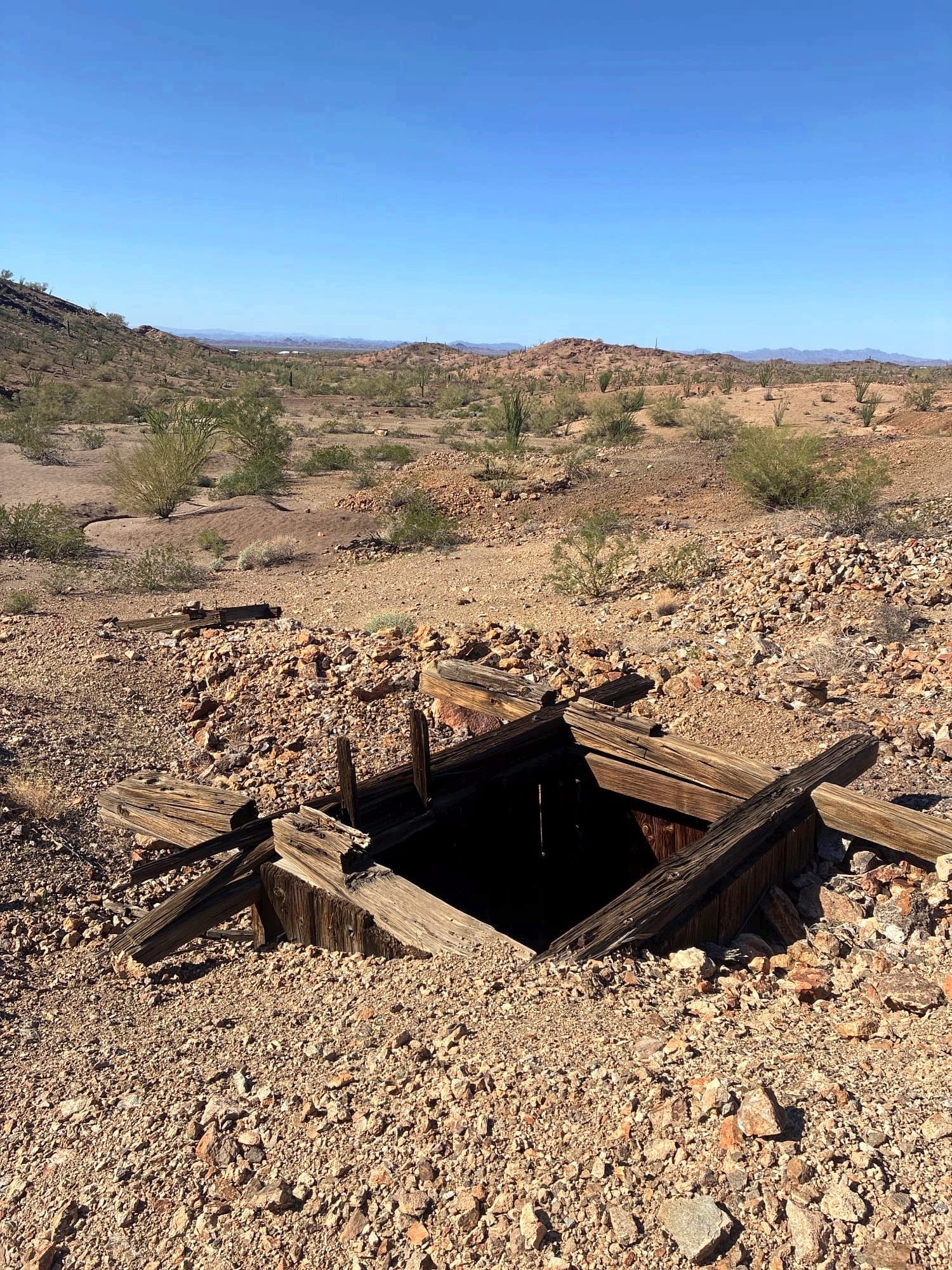
It’s a little bittersweet seeing some of these sites get sealed up. Because much of the Castle Dome range sits inside the Kofa National Wildlife Refuge, the U.S. Fish and Wildlife Service—along with the Bureau of Land Management on surrounding public lands—has been working to close off open shafts and reclaim hazardous sites.
As a history buff, I hate seeing historic mines closed up when I'd rather see them preserved as-is, even when they're out in remote areas. At the same time, open vertical shafts and unstable tunnels are real hazards for hikers and for the desert bighorn sheep the refuge was created to protect. At least when agencies install bat gates instead of filling shafts completely, the history stays intact—and wildlife can still use the tunnels—even if visitors can't go inside.
Plan Your Own Visit to Castle Dome
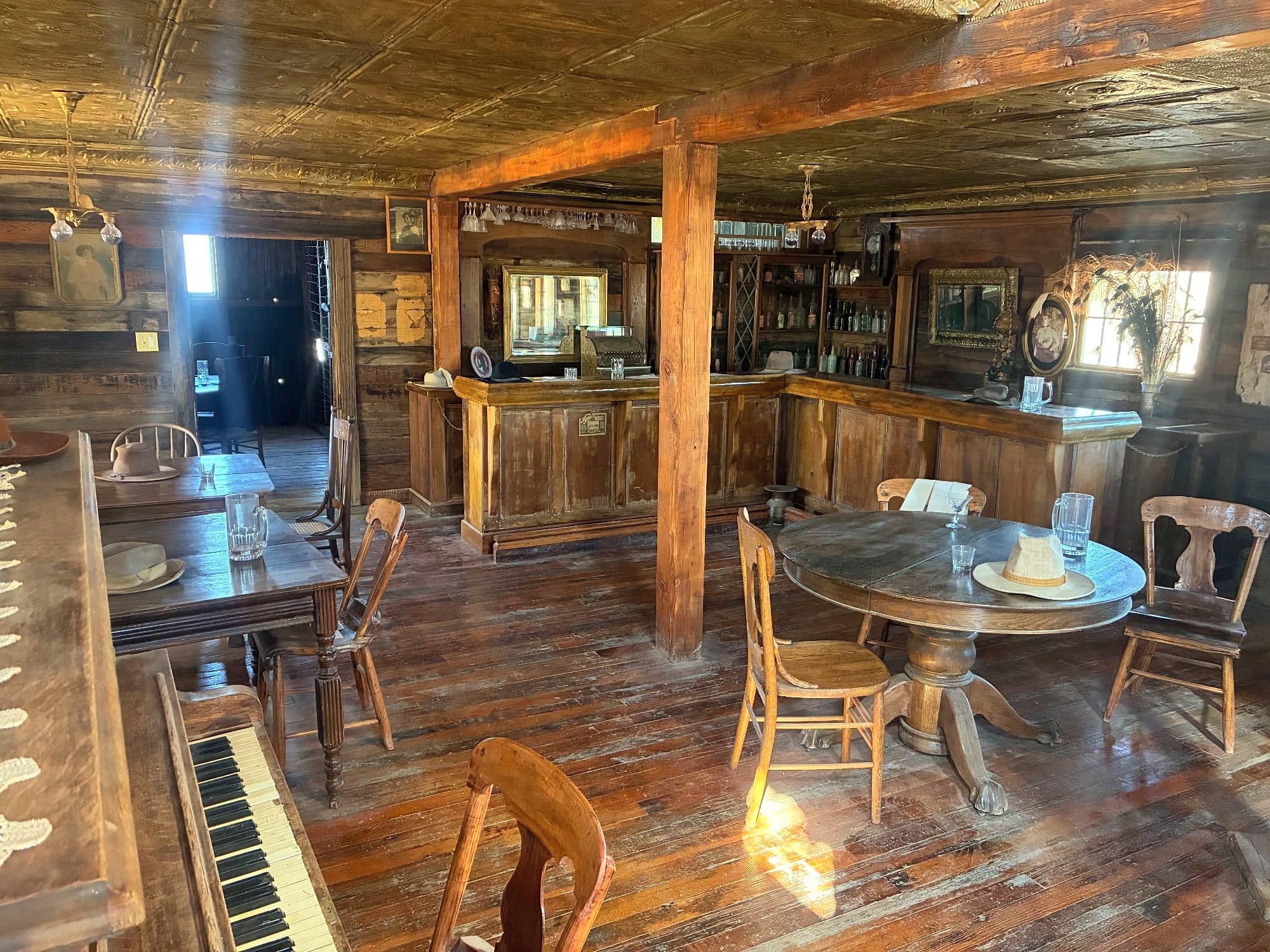
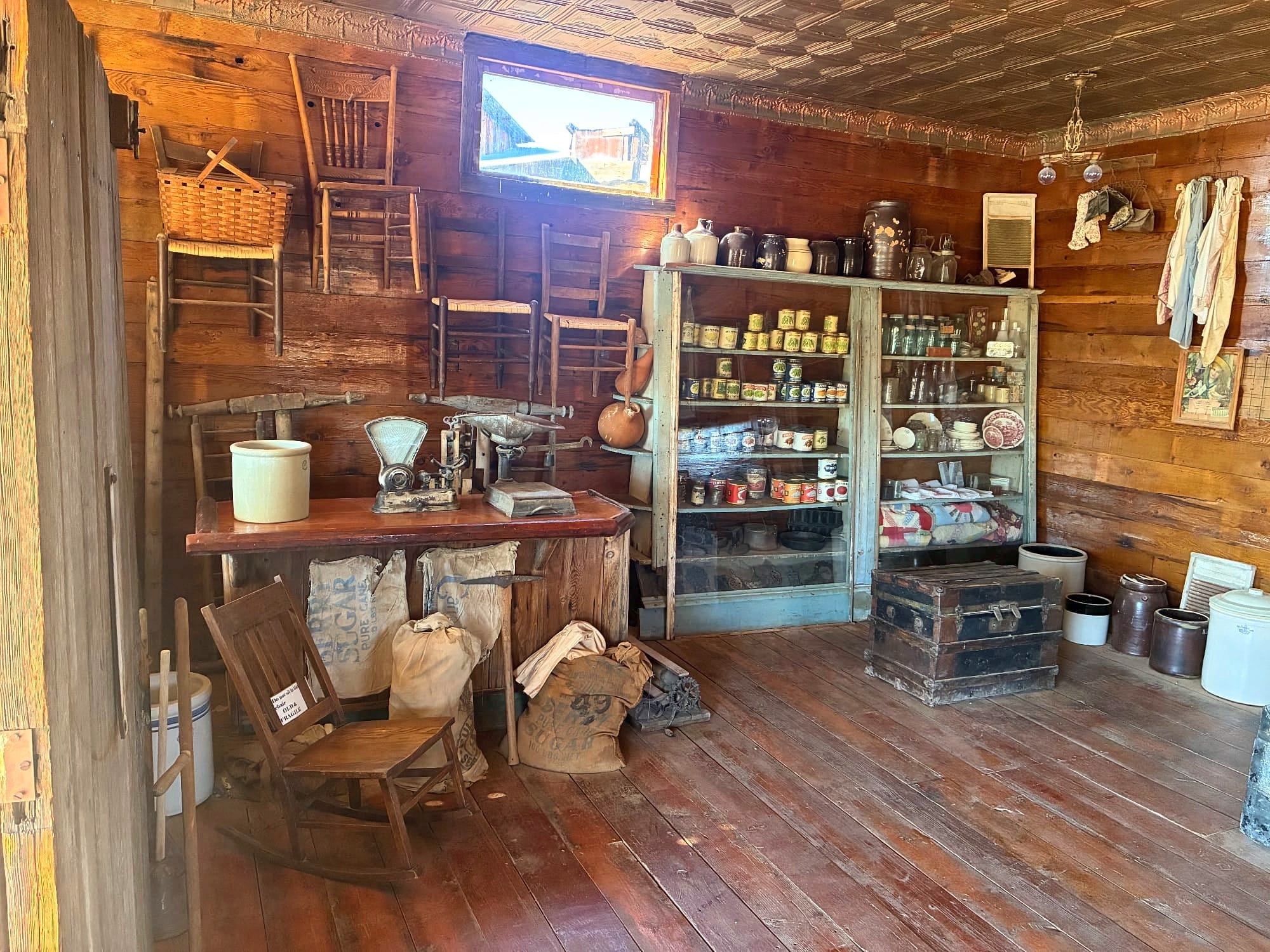
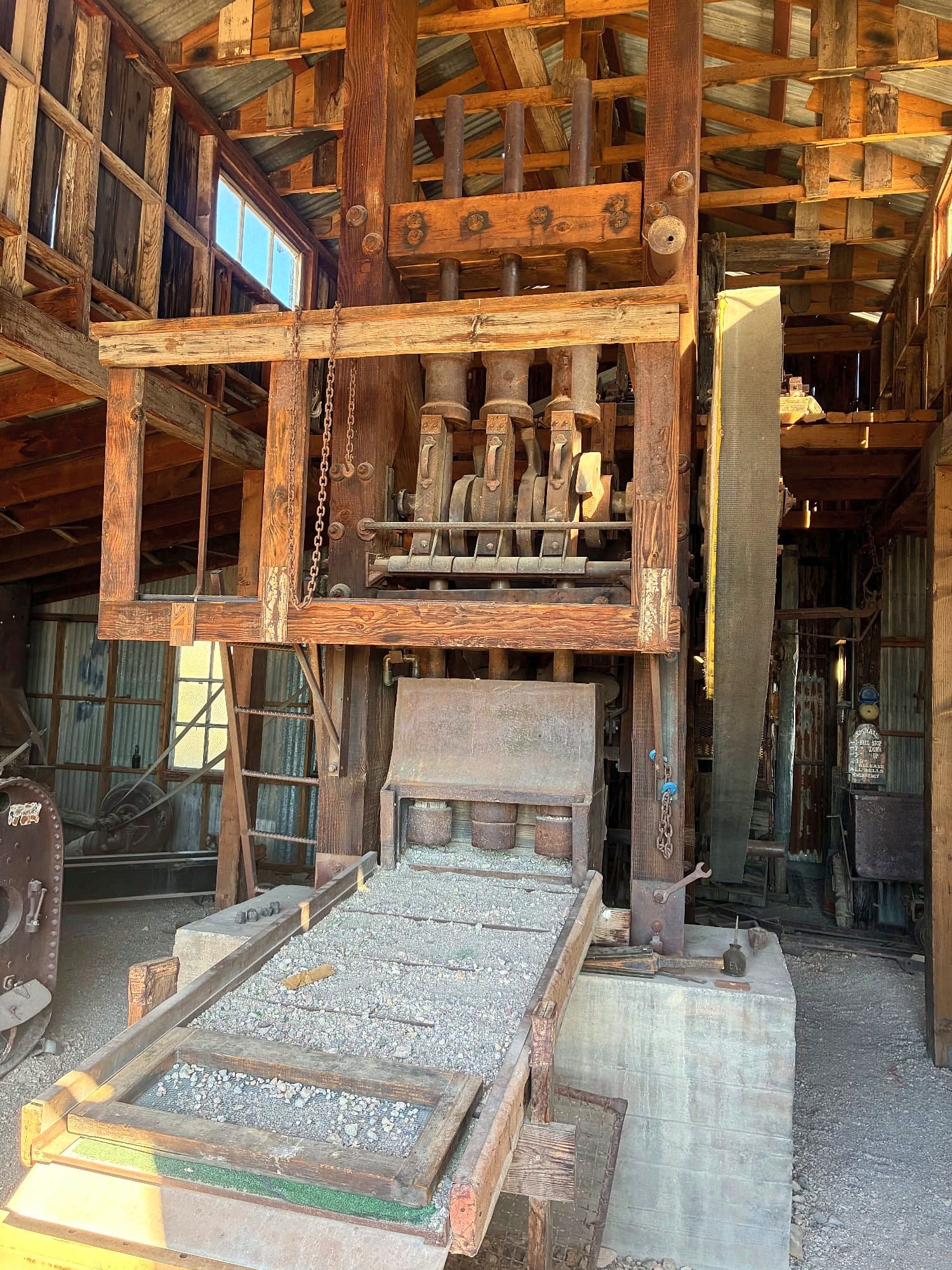
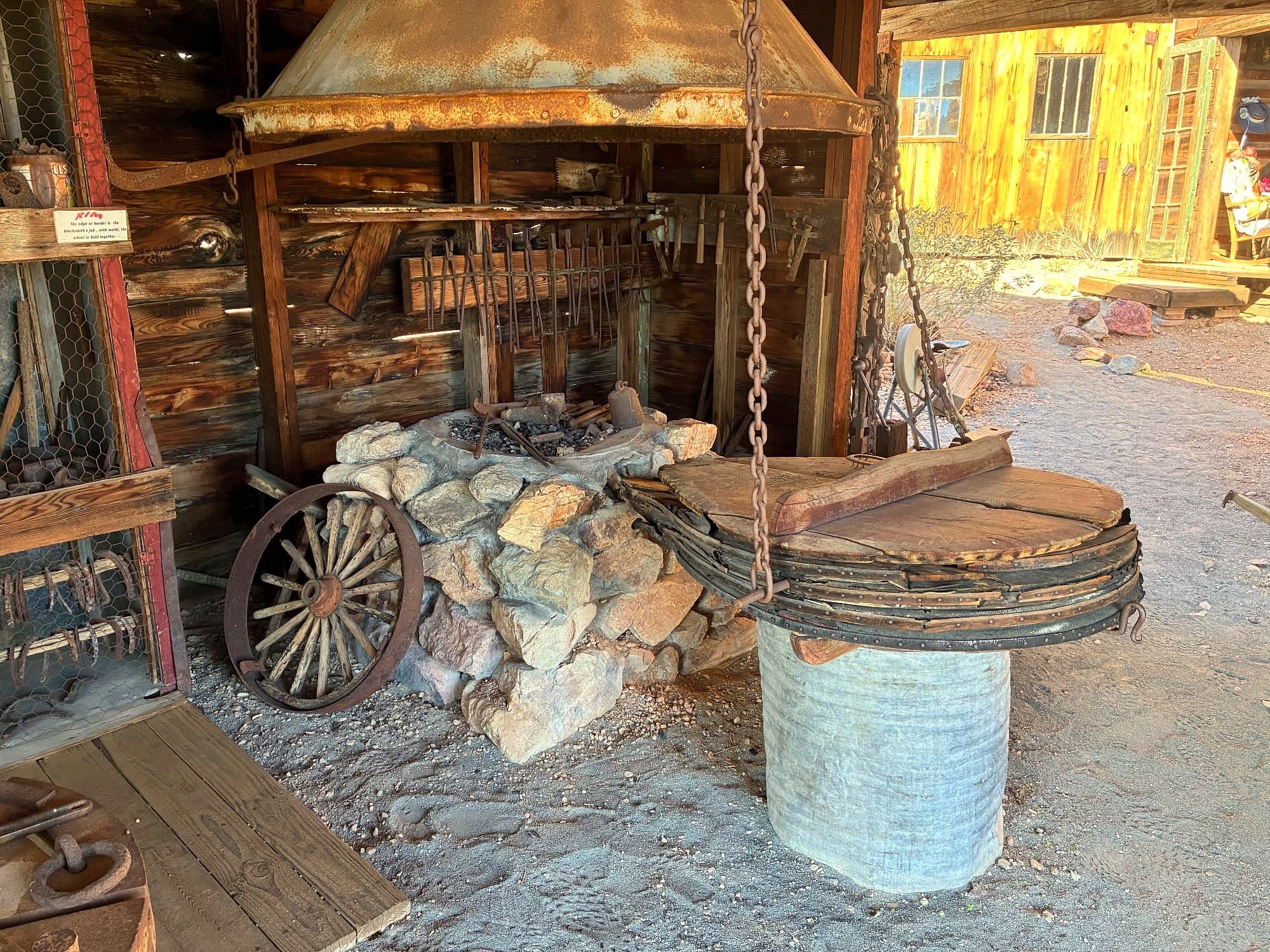
So anyways, I hope you enjoy the pictures I took today while checking out some of these fantastic mines and soaking in the history. If you ever get the chance, come out to Castle Dome for yourself and have a look around. You can find all kinds of cool things to hike to and see, including the Castle Dome museum tour, the restored Castle Dome ghost town, and the trails winding through the surrounding desert.
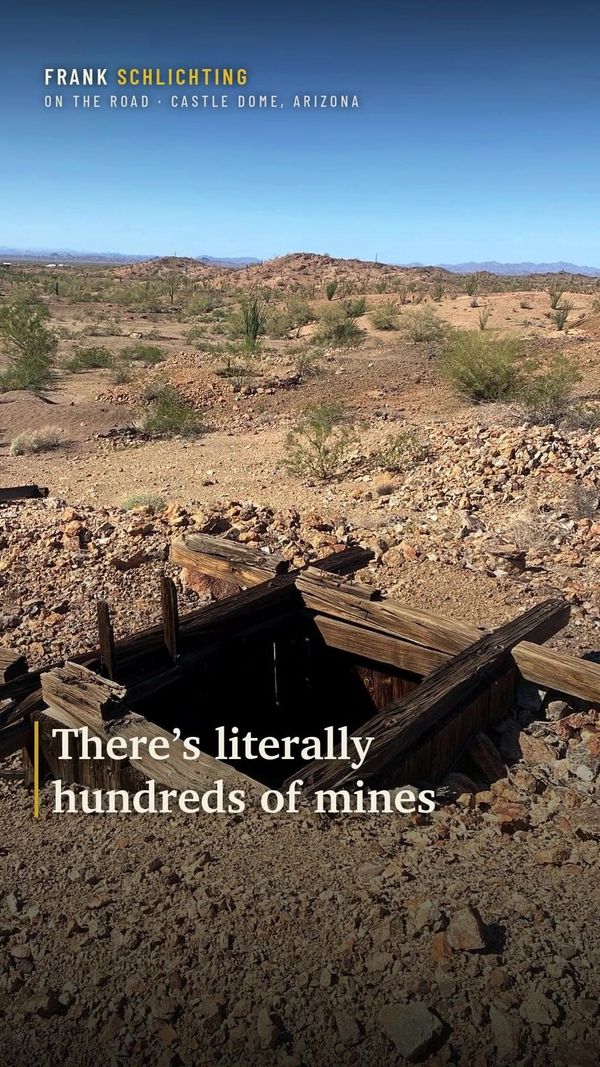 Short
From this stopFrom this mine
Hundreds of Mines Around Castle Dome
Forty seconds among the old shafts and adits of Arizona’s Castle Dome mining district, in Frank’s own words.
What he says in it
“Had a fantastic day hiking around the Castle Dome mining district. There are literally hundreds of mines in this whole area. Many of them have never been explored before. Unfortunately, BLM is trying to fill a lot of them in, so we’d like to try to document as many as we can, like all around Castle Dome.”
“I mean, they started mining here in 1864. There was a town of 4,000 people, so the history here is just spectacular, and you know, just getting around the desert and hiking around there and seeing all this stuff is a real treat.”